- Home
- legalize unpermitted work
- ADU Accessory Dwelling
- Building Products
- nyc-architect-renovation
- rafter-tie-calculator
- Kitchen Expansions
- Fairfield ct architect
- hvac-duct-size-calculator
- Bedroom Size Guide
- what to plant westchester
- ny-new-home-plans-4-99-sf
- garage-plans-westchester
- construction-contracts-ny
- retail-architect-danbury
Do I Need an Architect? NY vs CT Requirements Compared
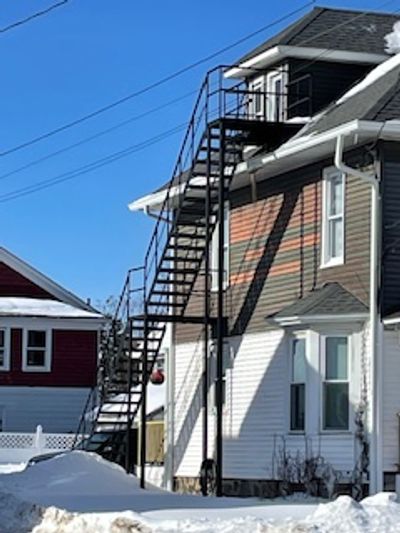
If you're planning a home addition or renovation in Westchester County, NY or Fairfield County, CT, the answer to "Do I need an architect?" depends entirely on which side of the state line you live on. The requirements are dramatically different—and understanding them can save you time, money, and compliance headaches.
New York (Westchester County): Architect Required By Law
In New York State, the regulations are straightforward and strict: you need a licensed architect or professional engineer to stamp plans for all structural work and interior alterations that relocate partitions.
When you MUST have an Architect in NY:
- All structural changes (no exceptions)
- Removing or altering load-bearing walls
- Relocating partitions (moving walls, even non-load bearing)
- Home additions (regardless of size)
- Bedroom or bathroom additions & alterations (egress and code compliance)
- Exterior work such as patios and decks (Patios need water calculations)
- Altering a kitchen layout
- Retaining walls over 4 feet high
- Raising a ceiling
What DOESN'T Require an Architect in NY:
- Painting
- Replacing finishes (flooring, countertops, wall tiles)
- Replacing wall and base cabinets in the same location
- Cosmetic updates with no structural changes or partition relocation
- Remodeling a bathroom with fixtures in same locations
Westchester Homeowners: If you're moving walls, making structural changes, or adding space, you need an architect's stamp. This isn't optional—it's required to obtain a building permit.
Connecticut (Fairfield County): More Flexible Requirements
Connecticut takes a different approach. For most residential projects, you're not legally required to hire an architect. A draftsman or designer can prepare plans for you.
When you DON'T Need an Architect in CT:
- Single-family homes under 5,000 square feet
- Additions where the total building size will remain under 5,000 square feet
- One or two-story structures
- Simple, straightforward designs
When you DO need and Architect in CT:
- Homes over 5,000 square feet
- Three or more stories
- Multi-unit projects (duplexes, apartment buildings)
- Complex designs (at building official's discretion)
Important caveat: While Connecticut doesn't require an architect for most single-family work, local building officials have discretion to require stamped plans if they deem a project complex or if structural concerns arise during plan review.
Why Connecticut Homeowners Should Still Hire an Architect
1. Structural Safety and Open Concept Design
Modern home design has shifted dramatically toward open concept floor plans—removing walls between kitchens, dining rooms, and living spaces to create flowing, connected interiors. While aesthetically appealing, these designs create significant structural challenges that require engineering knowledge most unlicensed draftsmen and designers simply don't have.
The structural reality: Every wall you remove was doing a job. In traditional closed floor plans, interior partition walls helped support the floor or roof above. When you eliminate these walls to create an open concept space, all that load must be transferred somewhere else—typically to a beam.
What goes wrong without proper engineering:
Undersized beams: A non-licensed designer might specify a beam that looks adequate but lacks the capacity for the actual loads. The result? Sagging floors, cracked drywall, bouncy floors, or in extreme cases, structural failure. Fixing an undersized beam after construction means tearing out finished ceilings—easily $15,000-$30,000 in corrective work.
Incorrect load paths: It's not enough to install a beam—you need to understand where the load goes. A beam transfers its load to posts or bearing points, which must transfer to foundation walls or footings. Miss this, and you've created a load path that terminates at a non-bearing wall or inadequate foundation. An architect working with a structural engineer ensures the entire load path is designed correctly.
Missing point loads: Large beams concentrate loads at their bearing points. These point loads can be 10,000-20,000 pounds or more. The posts, footings, and foundations at these locations must be sized accordingly. Unlicensed designers often miss these calculations entirely.
Real-world example: We recently reviewed plans drawn by a contractor for an open concept kitchen renovation in a Fairfield County home. The "beam" specified was a triple 2x10—adequate for a 10-foot span carrying a light load. The actual span was 18 feet carrying the entire second floor. The structurally correct solution required a steel W-beam (W8x18) with engineered posts and footings—completely different from what was drawn. Had the homeowner built from those plans, they would have had serious structural problems within months.
The balloon framing complication: Many older NY & CT homes use balloon framing, where wall studs run continuously from foundation to roof without interruption at floor levels. When you open up walls in a balloon-framed house, you're not just removing a partition—you're removing part of the building's structural skeleton. This requires even more careful engineering analysis and often supplemental framing that unlicensed designers won't recognize.
What an architect provides: We coordinate with licensed structural engineers who perform load calculations, specify the correct beam sizes (wood, LVL, or steel), design bearing posts and footings, and ensure the entire load path is sound. You get stamped structural drawings that building departments trust and that protect you from expensive failures.
The cost of getting it wrong: Correcting structural mistakes after construction typically costs 3-5 times more than doing it right initially. Between demolition, new materials, labor, and refinishing work, a $3,000 beam replacement becomes a $15,000 nightmare. The architect's fee is insurance against these costly errors.
2. Zoning and Setback Compliance
Both Westchester and Fairfield Counties have complex zoning requirements: setbacks, lot coverage limits, height restrictions, and architectural review board standards. An architect ensures your addition complies with these regulations before you spend money on construction.
Common mistake: Homeowners assume they can build to their property line, only to discover after construction starts that they've violated setback requirements. This can mean expensive demolition and redesign.
3. Permit Delays and Rejections
Even in Connecticut where architect stamps aren't required, building departments can reject incomplete or unclear plans. An experienced architect knows what each municipality requires and prepares permit-ready construction documents that sail through review.
4. Maximized Property Value
Professional architectural design ensures your addition looks like it belongs—matching materials, proportions, and rooflines. DIY or contractor-drawn plans often result in additions that look tacked-on, are an eye sore in the neighborhood, and end up hurting resale value.
5. Cost Control
Architects prevent expensive mistakes. Vague or incomplete plans lead to contractor "change orders" during construction when problems arise. Clear, detailed architectural drawings minimize surprises and keep projects on budget.
How Much Does an Architect Cost in Westchester?
For residential additions and renovations in Westchester & Fairfield Counties, architectural fees typically range from:
- Design and permit drawings: 8-12% of construction cost
- Full architectural services (including construction administration): 10-15% of construction cost
- Smaller projects (under $50,000): Often fixed fees rather than percentage based.
Example: For a $200,000 addition, AIA percentage-based fees typically range from $16,000-$24,000, or more if construction administration is included. Some "high end" architects follow this model.
Others charge hourly rates—in 2026, many local architects charge $160-$250 per hour. With hourly billing, you're essentially signing a blank check. Every phone call, email, revision, and meeting gets billed, and costs can spiral quickly. You won't know the total damage until the invoices arrive—and by then, you've already committed to the project.
Robak Architecture Pricing
We estimate the time required to design and draw your project, then provide one fixed price - no hourly billing surprises. In most cases, this works out to 4-5% of the construction cost. Half the AIA recommended rate!
What this means for your project:
- $120,000 home addition: $4800-$6,000
- $200,000 second story addition: $8,000-$10,000
- $300,000 major renovation: $12,000-$15,000
Important note: Projects requiring Zoning Board of Appeals (ZBA) or Planning Board approvals involve additional fees due to extra documentation, presentations, and multiple hearing attendances these approvals demand. We'll determine if your project needs these approvals during the initial consultation.
What's included: Complete construction documents, structural & mechanical coordination, zoning analysis, permit processing, and plan review response.
Why the difference? Over 35 years, we've streamlined our residential design process. We know Westchester and Fairfield County zoning codes, building departments, and construction details inside out - allowing us to work efficiently without cutting corners on quality or thoroughness.
Licensed Architect: NY, CT, VT, UT
Serving Westchester County, NY & Fairfield County, CT
Call or text today to get started on your home's project! 914-433-8337